Ginkgo Biloba

Ginkgo biloba

Ginkgo Biloba

🌿 Ginkgo (Ginkgo biloba)

Ginkgo is one of the world’s oldest living tree species — often called a ā€œliving fossilā€ — traditionally used to support circulation, cognitive clarity, and overall vitality. Modern research highlights ginkgo’s flavonoids and terpene trilactones, which contribute to its antioxidant and neuroprotective reputation. Most consumer products are made from the leaf extract, not the seed (which contains compounds requiring caution).

Sources:
Mayo Clinic – overview of uses, safety, and research
Molecules (2023) – review of ginkgo’s bioactive compounds & medicinal applications

🌱 Botanical Snapshot

Family: Ginkgoaceae
Type: Deciduous tree; ancient lineage
Height: 50–80 ft (can exceed 100 ft)
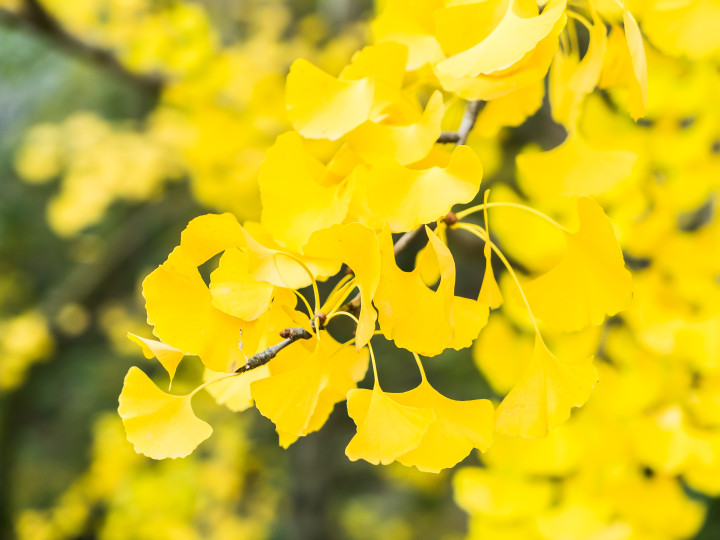
Leaves: Fan‑shaped, bright green turning golden yellow in fall
Reproduction: Dioecious (separate male and female trees)
Native range: China; now cultivated worldwide
Parts used: Primarily leaves for supplements; seeds are traditional but contain toxic alkylphenols and require caution

Sources:
Molecules – botanical history, origin, and global cultivation

🧪 Key Phytochemicals

Ginkgo is rich in flavonoids and terpene trilactones, which are responsible for most of its studied biological activity.

Major Constituents

  • Flavonoids:
  • Quercetin
  • Kaempferol
  • Isorhamnetin
  • Myricetin
  • Rutin
  • Terpene trilactones:
  • Ginkgolides A, B, C, J
  • Bilobalide
  • Phenolic acids: Gallic acid, vanillic acid, caffeic acid
  • Other: Proanthocyanidins, ginkgolic acids (allergenic/toxic; regulated in extracts)

Sources:
Molecules – detailed phytochemical profile including flavonoids & terpene trilactones
Evidence‑Based Complementary and Alternative Medicine – functional phytochemicals review

šŸ’š Evidence‑Supported Benefits

1) Cognitive Support & Mental Clarity
Ginkgo leaf extract is widely studied for memory, focus, and cognitive performance. Research suggests its antioxidant and circulatory effects may help support overall brain function, though results vary across studies.

Sources:
Mayo Clinic – cognitive research summary & evidence quality

2) Circulation & Vascular Support
Ginkgo’s terpene trilactones have been studied for their effects on blood flow and microcirculation, helping explain its traditional use for vitality and circulatory wellness.

Sources:
Molecules – vascular and circulatory activity of ginkgo constituents

3) Antioxidant Protection
Ginkgo’s flavonoids and phenolic compounds provide strong antioxidant activity, helping protect cells from oxidative stress and supporting overall wellness.

Sources:
Evidence‑Based Complementary and Alternative Medicine – antioxidant mechanisms

4) Stress & Age‑Related Wellness (Emerging Research)
Some studies explore ginkgo’s potential role in healthy aging, cellular protection, and resilience to stress. These findings are early-stage and should not be interpreted as disease‑treatment claims.

Sources:
(link: https://www.ncbi.nlm.nih.gov/pmc/articles/PMC11429439
text: Antioxidants (2024) – ginkgo

Benefits

  • Cognitive Support & Mental Clarity
  • Circulation & Vascular Support
  • Antioxidant Protection
  • Stress & Age‑Related Wellness (Emerging Research)