Thyme
🌿 Thyme (Thymus vulgaris)
Thyme is a warm, aromatic Mediterranean herb traditionally used to support respiratory comfort, digestion, and immune resilience. Long valued in both culinary and herbal traditions, modern research highlights thyme’s essential oils and polyphenols, which help explain its reputation for supporting clear breathing, microbial balance, and overall wellness.
Sources:
Drugs.com – traditional uses, safety, and research overview
MDPI Nutrients – review of thyme phytochemistry and biological activity
🌱 Botanical Snapshot
- Family: Lamiaceae (mint family)
- Accepted name: Thymus vulgaris
- Plant type: Low‑growing evergreen subshrub
- Height: Typically 6–12 inches
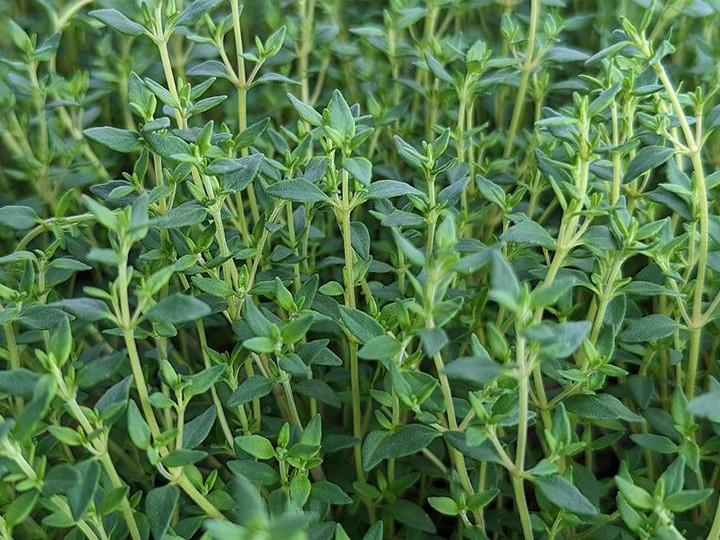
- Leaves: Small, narrow, gray‑green, highly aromatic
- Flowers: Pale pink to lavender, blooming in summer
- Native range: Mediterranean region; widely cultivated worldwide
Sources:
Kew Plants of the World Online – taxonomy and native range
Missouri Botanical Garden – morphology and growth habit
🧪 Key Phytochemicals
Thyme’s wellness benefits are largely attributed to its essential oils and phenolic compounds, which give the herb its distinctive aroma and biological activity.
- Thymol: A primary essential oil component associated with antimicrobial and respiratory support
- Carvacrol: A closely related compound contributing to thyme’s traditional immune and digestive uses
- Rosmarinic acid: A polyphenol with antioxidant and anti‑inflammatory properties
- Flavonoids: Including luteolin and apigenin derivatives
Sources:
MDPI Nutrients – thyme essential oils and polyphenolic compounds
Drugs.com – phytochemical overview and traditional uses
💚 Evidence‑Supported Benefits
- Respiratory Comfort & Throat Support**
Thyme has a long history of use for coughs, bronchial irritation, and throat comfort. Modern research supports thyme’s traditional role in respiratory wellness, particularly due to thymol‑rich extracts used in syrups and lozenges.
Source:
Drugs.com – respiratory and cough‑related uses
2) Antimicrobial & Immune Support
Thyme’s essential oils show antimicrobial activity in laboratory studies, helping explain its traditional use for immune support and microbial balance. These effects are most often associated with thymol and carvacrol.
Source:
MDPI Nutrients – antimicrobial properties of thyme compounds
3) Digestive Support (Traditional Use)
Traditionally, thyme has been used as a warming digestive herb to support appetite, digestion, and gastrointestinal comfort. Modern research offers supportive mechanistic insights, though human clinical data remain limited.
Source:
Drugs.com – traditional digestive uses
4) Antioxidant & Anti‑Inflammatory Activity
Thyme contains antioxidants that help neutralize free radicals and support overall cellular health. Polyphenols such as rosmarinic acid contribute to thyme’s traditional role in general wellness and physical comfort.
Source:
MDPI Nutrients – antioxidant and anti‑inflammatory activity of thyme
Benefits
- Respiratory Comfort & Throat Support
- Antimicrobial & Immune Support
- Digestive Support (Traditional Use)
- Antioxidant & Anti‑Inflammatory Activity