Sage

Salvia officinalis

Sage

🌿 Sage (Salvia officinalis)

A warming, aromatic, antioxidant‑rich Mediterranean herb with strong evidence for cognitive support, menopausal symptom relief, digestive comfort, and oral/throat wellness.

đŸŒ± Botanical Snapshot

  • Family: Lamiaceae (mint family)
  • Type: Perennial shrub
  • Height: 1–2 ft
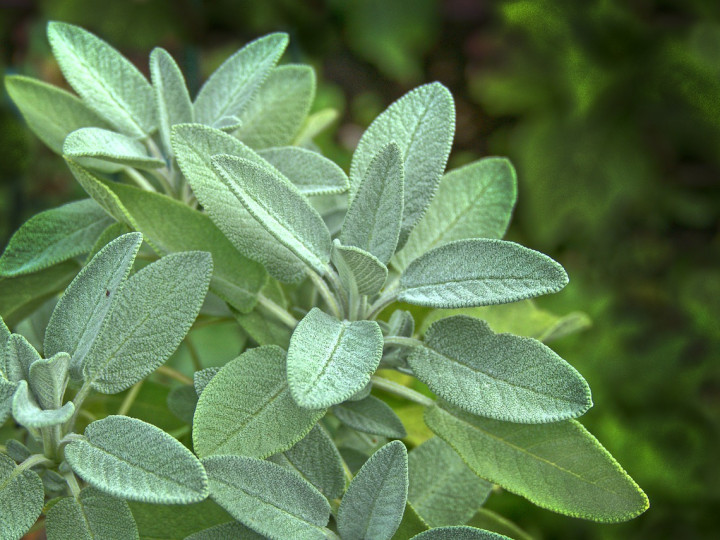
  • Leaves: Gray‑green, soft, aromatic, slightly fuzzy
  • Flowers: Purple/blue two‑lipped blooms
  • Origin: Mediterranean & Middle East; now naturalized worldwide

References:
NCCIH – botanical background & traditional uses
Herbal Reality – botanical description & energetics

đŸ§Ș Key Phytochemicals
Sage is chemically rich, containing:

  • Essential Oils
  • Camphor
  • 1,8‑cineole
  • Thujone
  • Borneol
  • Caryophyllene
  • Phenolic Compounds
  • Rosmarinic acid
  • Caffeic acid
  • Chlorogenic acid
  • Flavonoids
  • Luteolin‑7‑glucoside
  • Quercetin
  • Rutin
    Other Constituents
  • Triterpenes (ursolic acid, oleanolic acid)
  • Tannins
  • Glycosides

These compounds contribute to sage’s antioxidant, antimicrobial, anti‑inflammatory, and cognitive‑supportive actions.

References:
Salvia officinalis phytochemical review (terpenes, flavonoids, phenolics)
Herbal Reality – key constituents & essential oil standards

💚 Evidence‑Supported Benefits

  1. Menopausal Hot Flash Reduction
    Small clinical studies show sage may reduce the frequency of hot flashes.
    Reference: NCCIH – menopause symptom support

  2. Cognitive Support (Memory, Attention, Clarity)
    Common sage, Spanish sage, or combinations may improve:

  • Working memory
  • Attention
  • Mental accuracy

Evidence is early but consistent.
Reference: NCCIH – cognition studies in healthy adults

  1. Digestive Support
    Traditionally used for:
  1. Oral & Throat Wellness
    Sage is a classic gargle for:
  • Sore throat
  • Mouth inflammation
  • Gum irritation

Its antibacterial and astringent actions are fast‑acting.
Reference: Herbal Reality – gargle use & antibacterial activity

  1. Anti‑Inflammatory & Antioxidant Effects
    Rosmarinic acid, flavonoids, and terpenes contribute to strong antioxidant and anti‑inflammatory activity.
    Reference: Salvia officinalis pharmacological review (anti‑inflammatory, antioxidant)

  2. Metabolic Support (Lipids & Glucose)
    Early studies suggest sage may help:

  • Improve cholesterol levels
  • Support healthy blood lipids

Evidence for blood sugar effects is still limited.
Reference: NCCIH – lipid & glucose findings

Benefits

  • Menopausal Hot Flash Reduction
  • Cognitive Support (Memory, Attention, Clarity)
  • Digestive Support
  • Oral & Throat Wellness
  • Anti‑Inflammatory & Antioxidant Effects
  • Metabolic Support (Lipids & Glucose)