Rosemary

Salvia rosmarinus syn. Rosmarinus officinalis
Rosemary

🌿 Rosemary (Salvia rosmarinus syn. Rosmarinus officinalis)

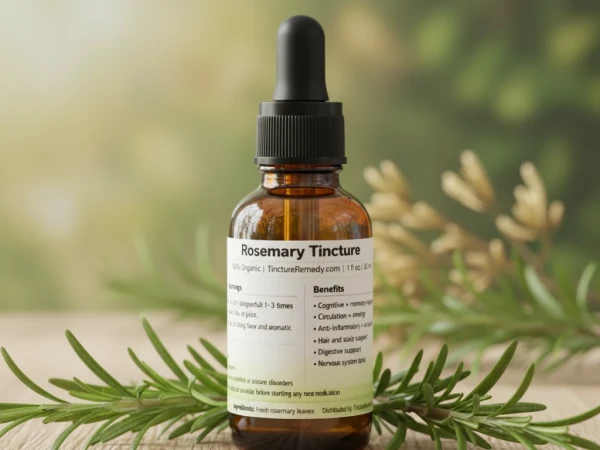
Rosemary is a fragrant Mediterranean herb long associated with memory, mental clarity, circulation, and digestive comfort. Traditionally used as a warming tonic and culinary spice, modern research highlights rosemary’s antioxidant and anti‑inflammatory compounds, which help explain its reputation for supporting overall vitality and cognitive wellness.

Sources:
Drugs.com – traditional uses, safety, and research overview
MDPI Nutrients – review of rosemary phytochemistry and biological activity

🌱 Botanical Snapshot

  • Family: Lamiaceae (mint family)
  • Accepted name: Salvia rosmarinus
  • Former name: Rosmarinus officinalis
  • Plant type: Evergreen aromatic shrub
  • Height: Typically 2–6 ft
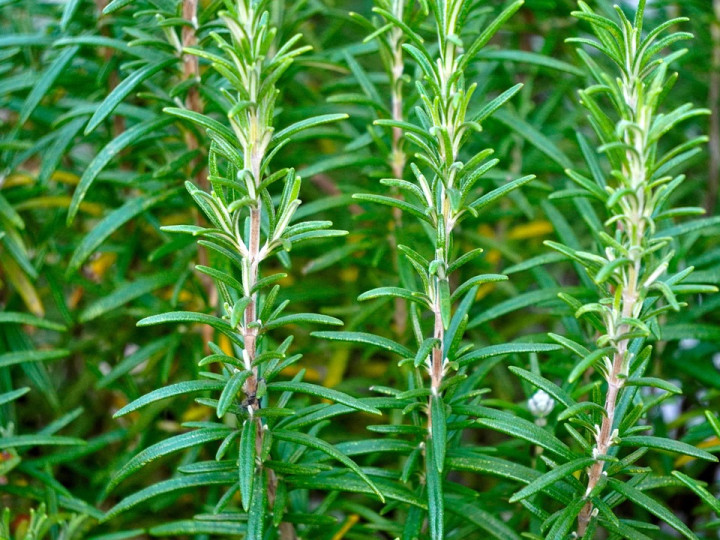
  • Leaves: Narrow, needle‑like, dark green with a silvery underside
  • Flowers: Pale blue to violet, occasionally white or pink
  • Native range: Mediterranean region; now cultivated worldwide

Sources:
Kew Plants of the World Online – taxonomy and native range
Missouri Botanical Garden – morphology and growth habit

🧪 Key Phytochemicals

  • Rosemary contains a blend of polyphenols and aromatic compounds that contribute to its traditional and modern wellness uses.
  • Rosmarinic acid: A well‑studied antioxidant associated with calming and anti‑inflammatory activity
  • Carnosic acid & carnosol: Fat‑soluble antioxidants that help protect cells from oxidative stress
    Essential oil components:
  • 1,8‑cineole
  • Camphor
  • α‑pinene

Sources:
MDPI Nutrients – rosemary phytochemistry and antioxidant compounds
Drugs.com – phytochemical overview and traditional uses

💚 Evidence‑Supported Benefits

1) Antioxidant & Cellular Protection
Rosemary’s polyphenols help neutralize free radicals, supporting overall cellular health and resilience. Antioxidant activity is one of the most consistently supported findings in modern rosemary research.

Source:
MDPI Nutrients – antioxidant mechanisms of rosemary compounds

2) Cognitive & Mental Clarity Support (Traditional + Emerging Evidence)
Traditionally associated with memory and focus, rosemary has been studied for its effects on alertness and cognitive performance. While results vary, research suggests rosemary’s aroma and extracts may support mental clarity and attention.

Sources:
Drugs.com – traditional cognitive uses and research overview
MDPI Nutrients – neurological and cognitive research summary

3) Digestive & Circulatory Support (Traditional Use)
Rosemary has long been used as a warming bitter to support digestion and circulation. These uses are rooted in traditional herbal practice, with modern research offering supportive but not definitive mechanistic insights.

Source:
Drugs.com – traditional digestive and circulatory uses

4) Anti‑Inflammatory Support
Compounds such as rosmarinic acid and carnosic acid show anti‑inflammatory activity in laboratory and animal studies, helping explain rosemary’s traditional use for general wellness and physical comfort.

Source:
MDPI Nutrients – anti‑inflammatory properties of rosemary polyphenols

Benefits

  • Antioxidant & Cellular Protection
  • Cognitive & Mental Clarity Support (Traditional + Emerging Evidence)
  • Digestive & Circulatory Support (Traditional Use)
  • Anti‑Inflammatory Support