Purple Dead Nettle
šø Purple Dead Nettle (Lamium purpureum)
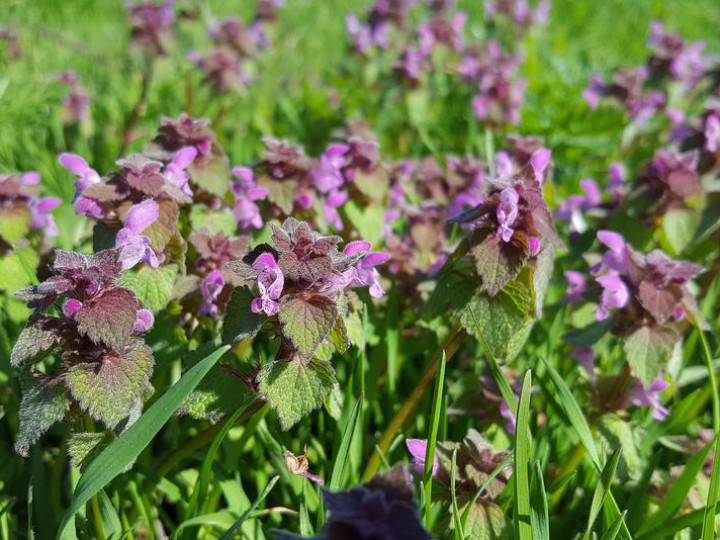
Despite the name, purple dead nettle isnāt actually a nettle and it doesnāt sting. Itās a soft, fuzzy member of the mint family that pops up early in spring ā often one of the first flowering plants of the year.
Itās considered a āweed,ā but itās also a nutrientādense, antioxidantārich herb with a long history in folk medicine.
š± Botanical Snapshot
- Family: Lamiaceae (mint family)
- Genus: Lamium
- Species: L. purpureum
- Growth habit: Low, sprawling annual
- Leaves: Triangular, fuzzy, purpleātinted tops
- Flowers: Tiny pinkāpurple tubular blooms
It thrives in disturbed soil, lawns, garden edges, and fields ā which is why itās so common in earlyāspring allergy imagery.
šæ Why Itās Called āDead Nettleā
- It resembles stinging nettle in leaf shape
- But it lacks stinging hairs
- So itās ādeadā (nonāstinging)
- This makes it safe to handle and easy to forage.
š§Ŗ Chemistry & Constituents
Purple dead nettle contains a mix of compounds that give it its traditional uses:
- Flavonoids (quercetin, luteolin)
- Phenolic acids
- Tannins
- Volatile oils
- Vitamin C
- Iron
- Antioxidants concentrated in the purple tops
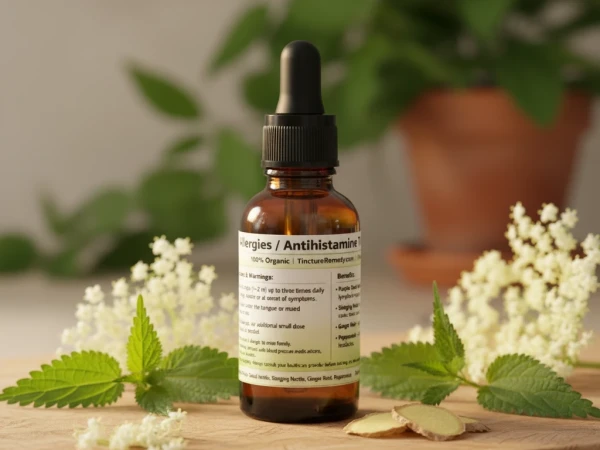
These compounds contribute to its mild antiāinflammatory and antihistamineāadjacent effects ā which is why it pairs so well with stinging nettle in seasonal allergy blends.
š¾ Why It Works in an Allergy Formula
Purple dead nettle brings a gentle, supportive, antiāinflammatory profile that complements:
- Stinging nettle (stronger antihistamine activity)
- Peppermint (opens airways, cooling)
- Ginger (warming, circulationāsupportive ā though you removed it from the imagery)
It rounds out the formula with a soft, springāherb energy that feels very aligned with your brandās aesthetic.
Benefits
- Season allergies
- Lymphatic support
- Wound and Skin support
- Gentle digestive support