Honeysuckle Buds
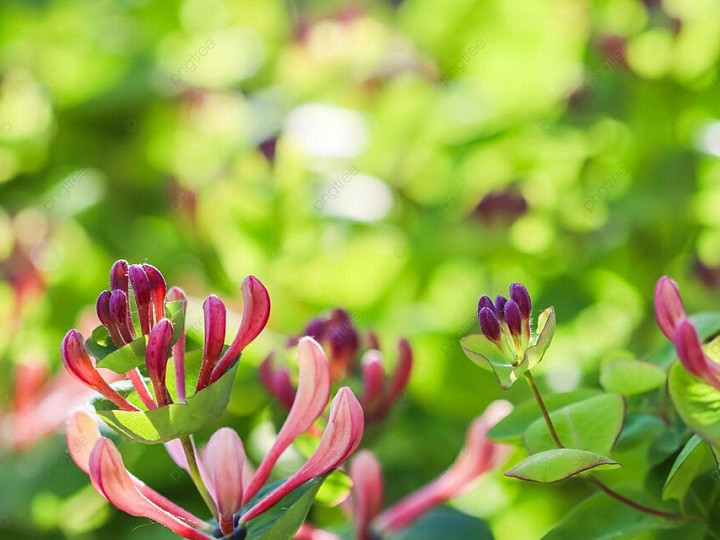
đŒ Honeysuckle Buds (Lonicera japonica)**
A cooling, antiâinflammatory, antimicrobial flower bud traditionally used to âclear heat,â soothe the throat, calm skin irritation, and support the respiratory system.
Honeysuckle buds are one of the most important herbs in East Asian herbalism. The unopened buds (not the fully open flowers) contain the highest concentration of chlorogenic acids, luteolin derivatives, and iridoids â the compounds responsible for its soothing, inflammationâmodulating effects.
đ± Botanical Snapshot
- Family: Caprifoliaceae
- Plant type: Twining, fragrant climbing vine
- Medicinal part: Dried flower buds (Flos Lonicerae Japonicae)
- Energetics: Cooling, clearing, dispersing
- Flavor: Lightly sweet, slightly bitter
- The buds are harvested just before opening, when their chlorogenic acid and luteolin content is highest.
đ§Ș Key Phytochemicals
Honeysuckle buds contain a concentrated spectrum of bioactive compounds:
Phenolic Acids
- Chlorogenic acids (3â, 4â, 5âOâcaffeoylquinic acids)
- Core drivers of antioxidant + antiâinflammatory activity
- Most abundant in budâstage material
Flavonoids - Luteolin
- Luteolinâ7âOâglucoside (cynaroside)
- Modulate inflammatory pathways (NFâÎșB, MAPK)
Iridoids - Loganin, secoiridoids
- Contribute to antiâinflammatory + hepatoprotective effects
Other Constituents - Polysaccharides (immuneâmodulating)
- Triterpenes
- Volatile oils
Reference:
Vita Library
đ EvidenceâSupported Benefits
1. AntiâInflammatory Support
Honeysuckle bud extracts reduce inflammatory mediators such as TNFâα, ILâ6, COXâ2, and iNOS, helping calm heat, redness, and irritation.
This aligns with its traditional use for:
- Sore throat
- Feverish colds
- Inflamed skin
- Irritated respiratory passages
2. Antioxidant Protection
Chlorogenic acids and luteolin glycosides provide strong freeâradical scavenging and help regulate oxidativeâstress enzymes.
This supports:
- Immune resilience
- Tissue repair
- Skin health
3. Respiratory & Throat Support
Traditionally used for:
- Sore throat
- Earlyâstage colds
- Feverish respiratory discomfort
- Modern preclinical research shows honeysuckle modulates TLR4/MyD88/NFâÎșB pathways relevant to viralâtriggered lung inflammation.
4. Antimicrobial Activity
In vitro studies show activity against:
- Staphylococcus aureus
- E. coli
- Several respiratory viruses
- Mechanisms include interference with viral replication and inflammatory signaling.
5. Skin & Topical Benefits
Traditional uses include:
- Heatârelated rashes
- Acne
- Minor wounds
- Irritated skin
- Supported by its antimicrobial + antiâinflammatory profile.
6. Digestive & Detox Support (Traditional)
Mildly cooling and dispersive, honeysuckle tea is used for:
- Mild indigestion
- Heatârelated GI discomfort
- Gentle detoxification via diuretic action
Reference:
Vita Library
Benefits
- AntiâInflammatory Support
- Antioxidant Protection
- Respiratory & Throat Support
- Antimicrobial Activity
- Skin & Topical Benefits
- Digestive & Detox Support (Traditional)