Bilberry
🫐 Bilberry (Vaccinium myrtillus)
A deeply pigmented, anthocyanin‑rich berry traditionally used for vision, circulation, metabolic support, and antioxidant protection — with modern research highlighting its potent polyphenols but showing mixed clinical outcomes.
🌱 Botanical Snapshot
- Family: Ericaceae
- Type: Low‑growing deciduous shrub
- Height: 30–50 cm
- Leaves: Bright green, ovate, serrated
- Flowers: Urceolate, white‑pink
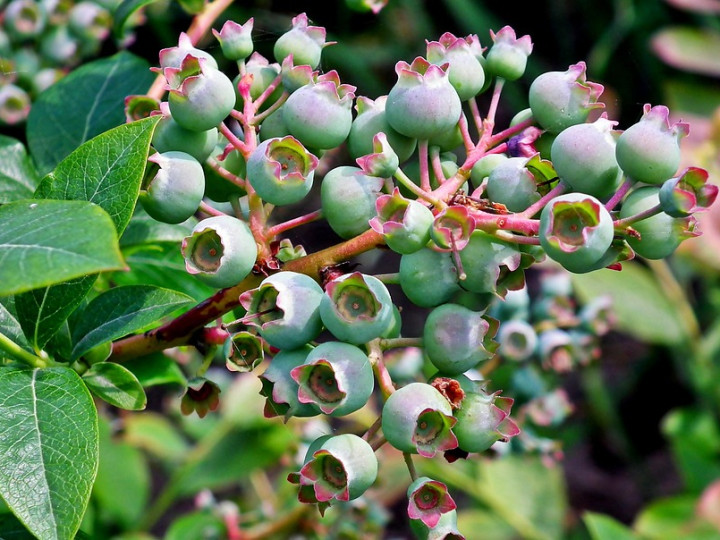
- Fruit: Dark blue‑black berries, 5–10 mm, deeply pigmented pulp
- Habitat: Moist, acidic soils in northern Europe, boreal forests, and montane regions
Sources:
NCCIH – botanical background & distribution
Drugs.com – botany & morphology details
🧪 Key Phytochemicals
Bilberry is one of the richest natural sources of anthocyanins, giving it its deep purple‑blue color and antioxidant potency.
- Major Constituents
- Anthocyanins:
- Delphinidin, cyanidin, malvidin, petunidin, peonidin (as 3‑O‑glycosides)
- Flavonoids:
- Quercetin, myricetin, kaempferol
- Phenolic acids:
- Chlorogenic, caffeic, ferulic
- Tannins: Up to 10% in fruit
- Vitamins: C, E
- Other: Organic acids (malic, citric), pectins, triterpenoids, sterols
Sources:
Drugs.com – tannins, flavonoids, phenolic acids, triterpenoids
MDPI Nutrients review – anthocyanin profile & polyphenolic richness
💚 Evidence‑Supported Benefits
- Antioxidant & Anti‑Aging Activity
- Bilberry’s anthocyanins strongly scavenge free radicals and support cellular resilience.
- Shown to reduce oxidative stress and support skin health.
- Anti‑aging effects linked to anthocyanins and proanthocyanidins.
Source:
MDPI Nutrients review – antioxidant & anti‑aging mechanisms
- Vision & Eye Health (Mixed Evidence)
Traditionally used for:
- Night vision
- Retinal support
- Eye strain
However:
Modern clinical trials show conflicting results.
Rigorous studies do not confirm night‑vision improvement in healthy individuals.
Source:
NCCIH – conflicting night‑vision evidence & research quality issues
- Circulatory & Cardiovascular Support
Anthocyanins may help:
- Improve lipid profiles
- Support microcirculation
- Reduce inflammation
- Some positive findings exist for dyslipidemia and chronic inflammatory disorders.
Source:
Frontiers in Pharmacology review – cardiovascular & inflammatory outcomes
- Metabolic Support (Blood Sugar & Diabetes)
Bilberry leaves and fruits have been used for glycemic control.
Modern evidence:
- Results are contradictory and not conclusive.
- Leaves contain high tannins → caution for long‑term use.
Sources:
NCCIH – unclear benefits for blood sugar regulation
Frontiers review – contradictory diabetes research
- Anti‑Inflammatory & Antimicrobial Effects
Polyphenols show:
- Anti‑inflammatory activity
- Antimicrobial potential
- Support for mucosal health (traditional use)
Sources:
Drugs.com – historical GI & mucosal uses
MDPI review – anti‑inflammatory polyphenols
Benefits
- Antioxidant & Anti‑Aging Activity
- Vision & Eye Health (Mixed Evidence)
- Circulatory & Cardiovascular Support
- Metabolic Support (Blood Sugar & Diabetes)
- Anti‑Inflammatory & Antimicrobial Effects